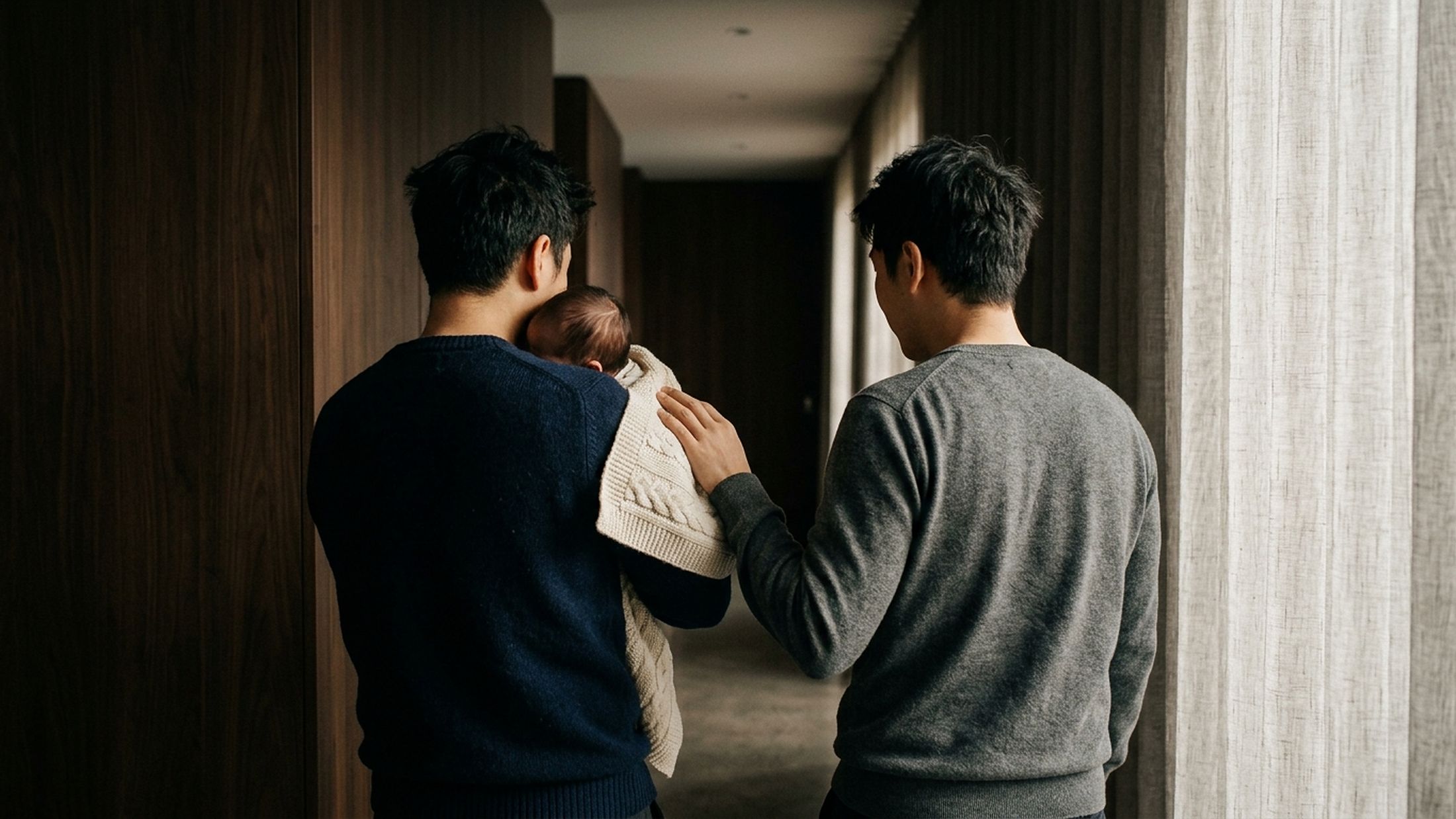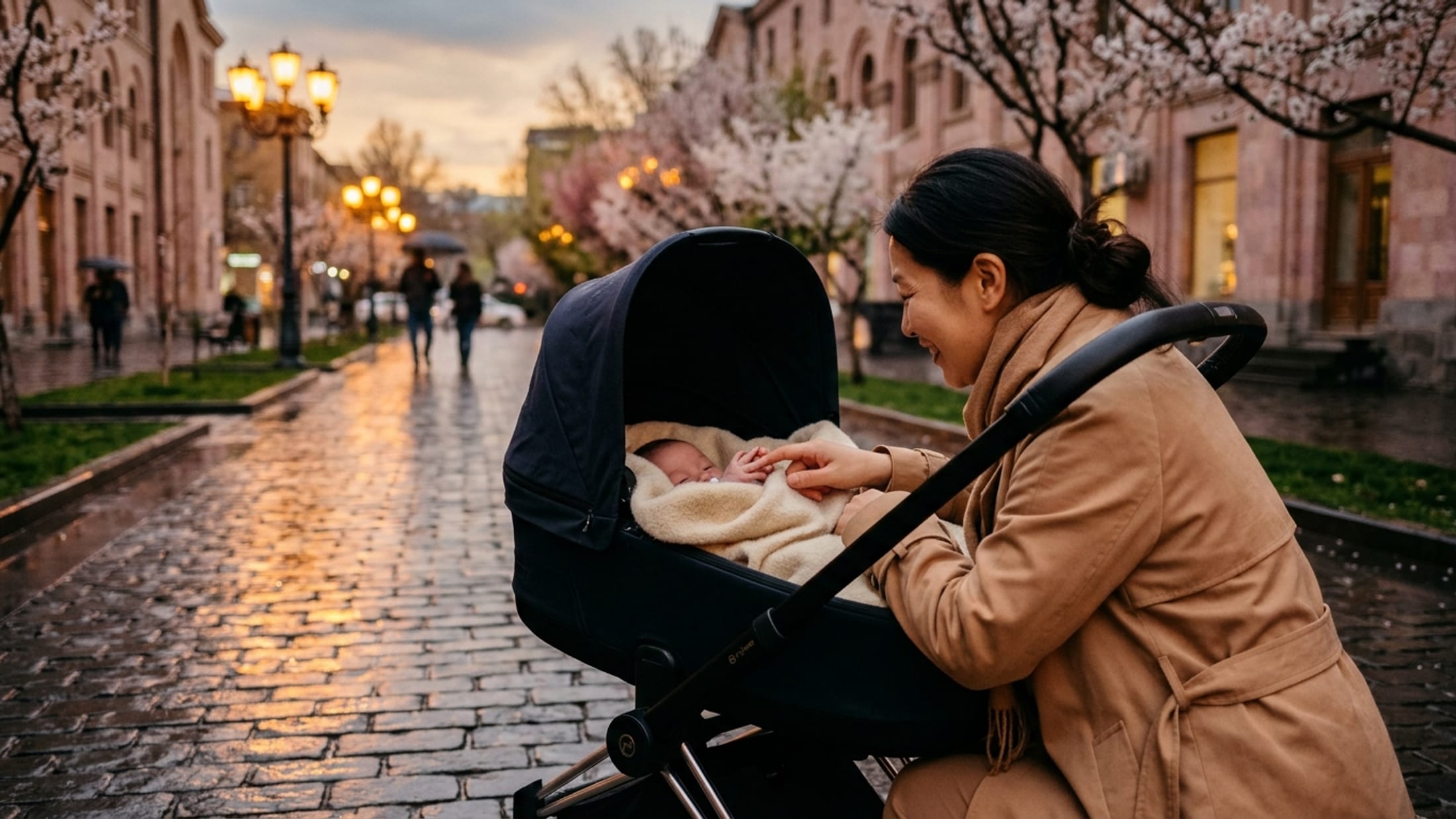
Characters and events in this piece are composite illustrations drawn from typical cross-border journeys; all names are pseudonyms.
Calling from his car beside an EV charger on a Mountain View tech campus during lunch, Xu Ze skipped small talk and asked two questions straight out: "First, how many trips do I physically have to make, and what's the minimum days away? Second, can an unmarried man on a green card bring his baby straight back into SFO?"
Thirty-nine and leading perception engineering sprints, Xu Ze had weeks of accrued vacation on paper and almost zero ability to vanish for half a month mid-quarter. Back in Nanjing, his parents had quietly stopped arranging matchmaking dinners once they saw his 11 p.m. cross-Pacific standups, hoping only that he wouldn't enter his forties coming home to an empty townhouse.
Ninety-six hours built around Thanksgiving
Question one was pure scheduling. Working backward from his release calendar, his coordinator slotted the intake trip over the four-day US Thanksgiving weekend so Xu Ze needed only a single Wednesday PTO day.
Boarding at SFO late Tuesday night via Frankfurt, he landed in Yerevan Thursday morning, executed his notarised surrogacy agreement and consular powers of attorney that afternoon, completed infectious-disease bloodwork and sperm cryopreservation at the clinic Friday morning, and boarded his return flight Saturday afternoon — back at his Mountain View desk in time for Monday's code review.
Filing Form N-400 in the first trimester
Question two hid a real legal trap. On his pre-contract immigration check, counsel flagged the catch facing unmarried LPR fathers: the 8 CFR 211.1 port-of-entry NA3 visa waiver applies by its text to children born during the temporary visit abroad of an LPR mother. Relying on NA3 alone as an unmarried father risked getting stranded overseas waiting months on an F2A Form I-130 petition.
Then the attorney checked the "Resident Since" date printed on Xu Ze's green card: four years and eight months. Under USCIS's ninety-day early-filing window, he could submit Form N-400 for naturalisation the very next month. Having lived in California since graduate school — well past five years of physical presence — completing his citizenship oath before the due date would convert the case cleanly into a US-citizen CRBA.
Every gear meshed on schedule: the embryo transfer succeeded in February; Xu Ze filed Form N-400 in March; in August he took his naturalisation oath at the San Jose field office and picked up his US passport in September. One week ahead of his daughter's late-October due date, he activated sixteen weeks of fully paid company parental leave, muted work notifications, and flew back to Yerevan.
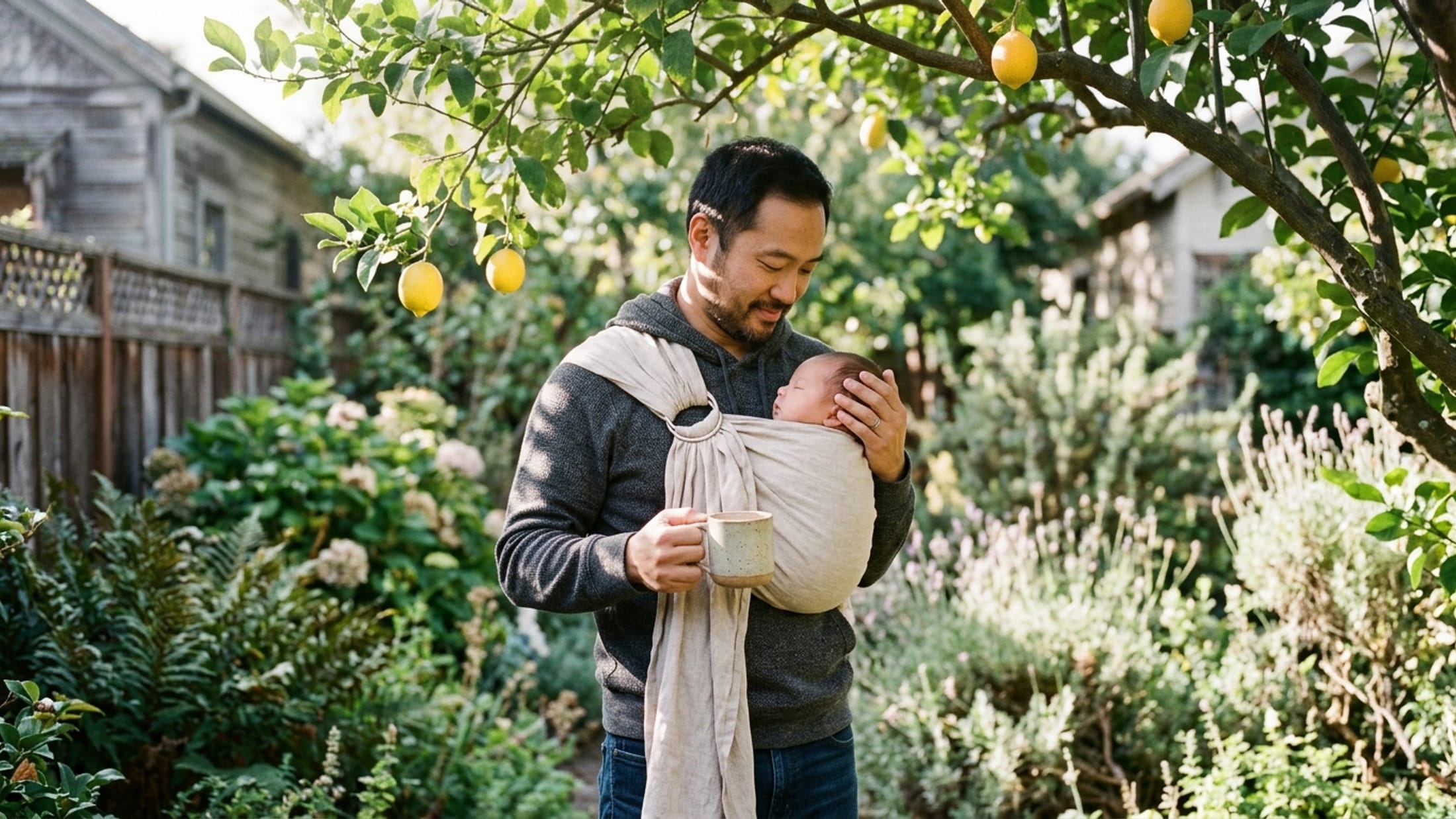
Twenty-two days after his six-pound-twelve-ounce daughter was born, father and baby flew home to San Francisco on two blue passports. At 9 a.m. on his second Wednesday back — the exact minute his engineering team's daily standup usually started — Xu Ze stepped barefoot onto his backyard patio in a faded hoodie, one hand steadying the back of his sleeping daughter's head inside her linen carrier, the other holding a warm latte beneath the Meyer lemon tree.
Disclaimer: this article is general information and not legal or medical advice. Before making any decision on the legal matters discussed, consult a licensed attorney in the relevant jurisdiction; for medical matters, consult a physician.