Characters and events in this piece are composite illustrations drawn from typical cross-border journeys; all names are pseudonyms.
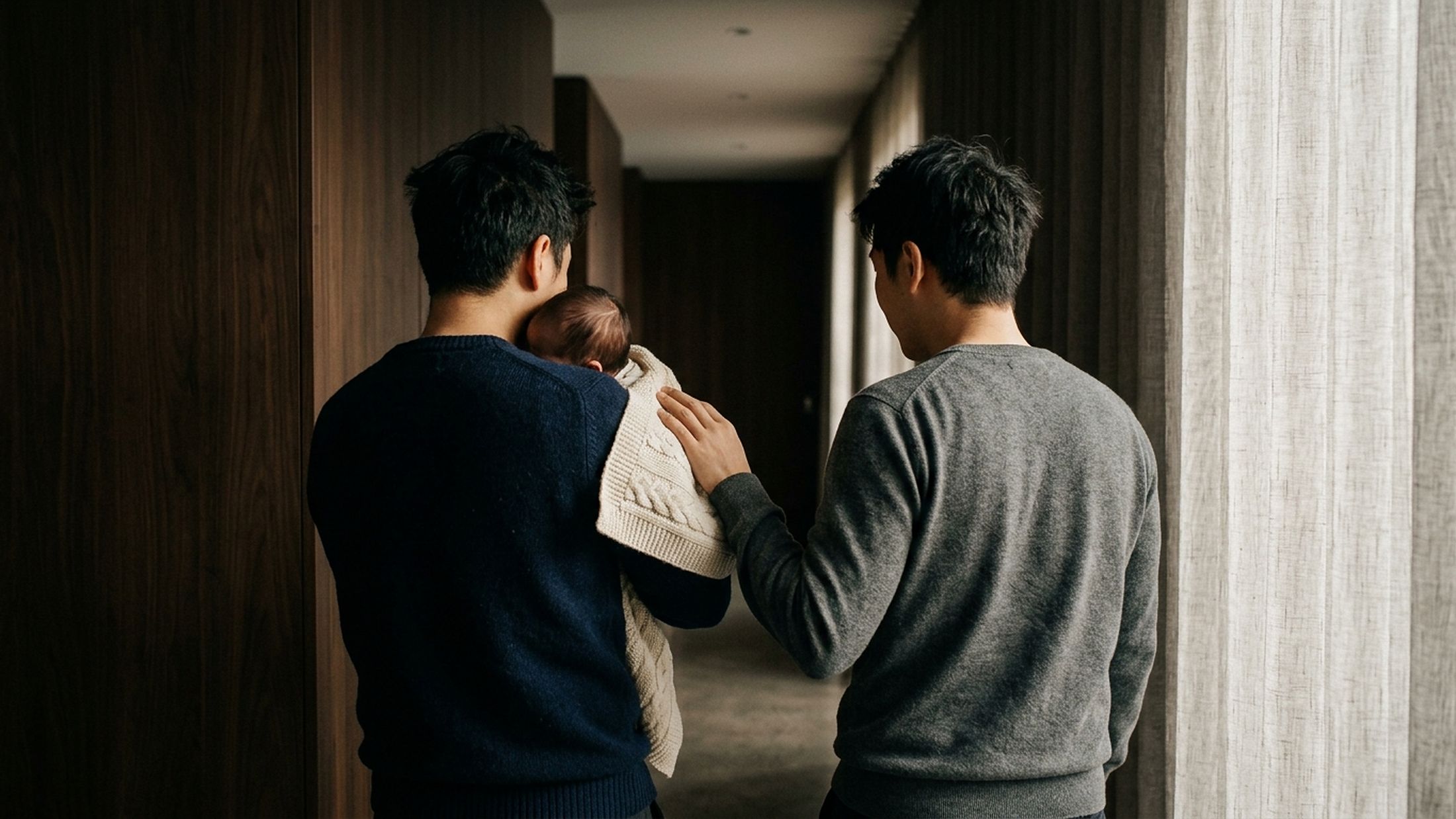
Checking the crib card at 8:15 on a March morning in Yerevan, the maternity nurse handed the discharge clipboard to Leo, who was holding their two-day-old daughter. The cast-iron radiator in the corridor hissed with dry heat. Standing half a step away, Ming instinctively stepped back an inch to leave room at the signing desk.
Their lawyers in both countries had mapped the legal boundary months earlier: because Armenia records only the biological father on local paperwork, Leo was the only one legally authorised to sign hospital and civil-registry forms.
A line with room for one name
Married in California, they had waited until their seventh year together to look seriously into surrogacy. Three agencies on the West Coast sent fee schedules hovering around $220,000, with non-refundable retainers before a single profile was shown. The spreadsheets sat untouched on Leo's desktop for half a year until he stumbled across a thread mentioning Armenia.
Two minutes into their first video call, the coordinator laid out the constraint plainly: "Only one of your names can go on the contracts."
Armenia does not recognise same-sex marriage, leaving no joint route for two men. Only one partner can proceed under local law, and he must be the child's genetic father; the other partner's legal parentage is established back home in state court after the baby returns. If that asymmetry felt unacceptable, she said, there was no point sending a quote.
After the call ended, the kitchen stayed quiet. Leo was four years younger, born and raised in Seattle and the only US citizen of the two, and his parents called every Lunar New Year hoping for news of a grandchild. Ming clicked the kettle on and told him, "Put your name down. You're the citizen, so she can come home on a US passport. Let's get the baby home first."
2:07 a.m. in Seattle
The first embryo transfer failed.
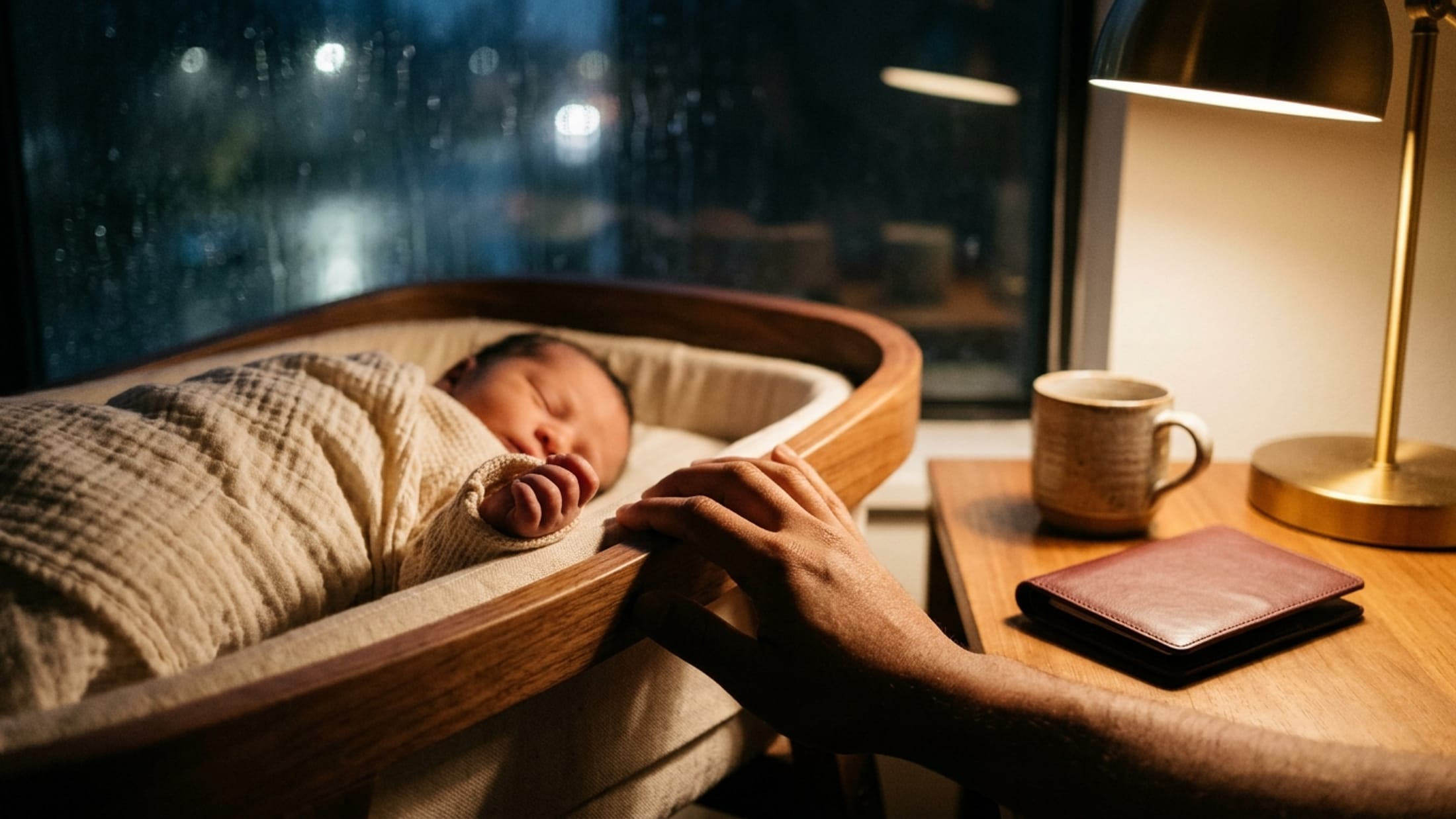
The lab report landed at 2:07 a.m. Pacific time — early afternoon in Yerevan. Ming woke to the vibration on the nightstand, read the beta number in the dark, and went downstairs barefoot without waking Leo. At the dining table he opened the bilingual Nevada contract to the transfer schedule: the included attempts were spelled out clearly, with a separate sub-clause stating that an embryo failing to survive thaw would not count against them. He read those four lines until his pulse slowed, smoothed the page flat, and went back to bed.
When the coordinator called the next morning, she skipped hollow reassurances and walked straight through the physician's revised endometrial protocol and the target week for attempt two. Ming told friends later that if she had uttered the words "don't worry," he would have panicked on the spot.
Seven weeks later, the second blastocyst held.
The blue binder
Over the next nine months, every check-up arrived as an Armenian clinic printout paired with clear Chinese and English notes. Ming bought a heavy blue three-ring binder and a hole punch, filing each report chronologically and pencilling thyroid and ferritin numbers in the margins.
Leo teased him for auditing the pregnancy like an annual report. Neither of them needed to say the quiet part aloud: Leo's signature was on the notarised agreement, Leo's name was on the clinic consents, and Leo's name alone would appear on the birth register. Keeping every sheet in order was the one tangible job Ming could claim.
A hand beneath the white towel
Their daughter arrived four days early. Under Armenia's statutory rule for unmarried male applicants, the hospital held formal discharge until a DNA swab confirmed Leo as her biological father.
When she was nine days old, they took her for the photograph required for her Consular Report of Birth Abroad and US passport. Because a newborn cannot hold her head steady, the photographer spread a thick white towel across a low table and laid her on top. Ming crouched beside the table and slid his palm underneath the towel to cradle the back of her skull, keeping his wrist flat so not a thread of his sleeve entered the frame. Out of eleven exposures, she opened her eyes in one.
Twenty-three days passed between the delivery room and passport control at Zvartnots Airport.
Six minutes in King County
Four months after landing back in Seattle, they stood in Superior Court for Ming's second-parent parentage order. Their Washington attorney had filed the complete evidentiary packet weeks ahead.
The judge turned the last page, looked up to ask Ming three brief questions, and signed the decree in just under six minutes. Outside in the courthouse corridor, rain streaked the tall windows where Leo was rocking the stroller beside a wooden bench, their daughter fast asleep. Ming stepped over and rested both hands on the handlebar, finally her father on paper too.
Disclaimer: this article is general information and not legal or medical advice. Before making any decision on the legal matters discussed, consult a licensed attorney in the relevant jurisdiction; for medical matters, consult a physician.